





The demand for digital learning continues to grow, and mobile solutions are now a core part of how students, teachers, and organizations interact with educational content, a trend supported by recent online learning statistics. As more companies and institutions invest in mobile app developer education requirements modern learning tools, education mobile app development has become oneof the most dynamic and impactful areas within the tech industry.
Businesses are looking for mobile apps that candeliver structured lessons, track progress, support communication, and makelearning more engaging. At the same time, users expect intuitive interfaces,fast performance, and personalized experiences. This creates a clear need forwell-planned development, professional execution, and reliable technological choices.
In this guide, we break down what it takes tobuild an effective education app - from defining the concept and selecting theright features to choosing an education mobile app development company, understanding mobile app developer education requirements, and exploring thefull range of education mobile app development services involved in the process.
Key Benefits of Education Mobile App Development
Modern education mobile app development allows businesses and institutions to deliverlearning experiences that are more flexible, engaging, and accessible thantraditional methods. Mobile apps empower users to study anytime, interact with dynamic content, and follow personalized learning paths, while organizations benefit from scalability, improved communication, and reduced operational costs.

Key benefits include:
- Global accessibility: learners can access educational materials 24/7 from any location.
- Interactive learning: multimedia lessons, quick reviews, quizzes, and practical tasks support better engagement.
- Personalized experiences: adaptive content adjusts to each learner’s pace, skills, and goals.
- Real-time communication: instant notifications, chat features, and automated feedback keep users connected.
- Higher motivation: progress tracking, achievements, reminders, and gamification help reduce drop-offs.
- Operational efficiency: centralized content management and reduced training costs streamline educational processes.
- Long-term scalability: apps can expand with new features, users, and content without losing performance.
Main Types ofEducation Mobile Apps
Education mobile appdevelopment can support a wide range of learning needs - from personal skillgrowth to structured corporate training. Each type of app serves a specificaudience and provides different learning experiences, formats, and interaction models. Below are the most common and effective types of educational mobileapps used today.
1. Language Learning Apps
These apps help usersstudy new languages at their own pace through short lessons, pronunciation practice, gamified challenges, and daily progress tracking.
- Vocabulary and grammar exercises
- Speaking and listening modules
- AI-driven recommendations
- Gamified learning paths
2. Skill Development & Professional Training Apps
Designed for users whowant to upgrade their practical skills in areas like coding, design, marketing,finance, or management.
- Structured video lessons
- Hands-on tasks and quizzes
- Certificates after completing modules
- Personalized learning goals
3. Online Course & Learning Platforms
Mobile versions oflarge course platforms that host thousands of lessons across differentsubjects.
- In-app course libraries
- Progress tracking dashboards
- Downloadable content for offline learning
- Community discussions and peer support
4. Tutoring & Instructor-Led Apps
Apps that connect learners with teachers, mentors, or coaches for one-on-one or group sessions.
- Scheduling tools and live video classes
- Secure chats and homework submission
- Rating and feedback systems
- Real-time collaboration tools
5. Corporate Learning & Employee Training Apps
Companies use thesesolutions to train employees, onboard new team members, and track performance.
- Custom learning paths for employees
- Knowledge assessments and compliance tests
- Reports for HR and management
- Integration with internal business systems
6. Early Learning & Kids’ Educational Apps
Interactive apps forchildren that make learning fun through visuals, storytelling, and simplegames.
- Alphabet, math, logic, and creativity exercises
- Engaging animations and sound effects
- Safe, child-friendly interfaces
7. Exam Preparation & Certification Apps
Apps that help users prepare for school exams, university tests, or professional certification programs.
- Practice tests and mock exams
- Flashcards and spaced repetition
- Detailed results and improvement tips
Core Features ofan Effective Learning App
Successful education mobile app development relies on features that make learning accessible,engaging, and personalized. These elements help users stay motivated whileenabling organizations to deliver high-quality training at scale. Below are the essential features that every modern learning app should include.
1. User Profiles and Role Management
Clear user roles (learner, instructor, admin) allow the app to personalize content, track progress,and manage permissions efficiently.
2. Structured Content Delivery
A well-organizedlearning flow ensures that users receive materials in a logical sequence.
- Video lessons
- Articles and PDFs
- Interactive tasks
- Downloadable content
3. Interactive Learning Tools
Engagement increases when users can actively participate in lessons.
- Quizzes and micro-tests
- Flashcards
- Drag-and-drop exercises
- Scenario-based tasks
4. Personalized Learning Paths
Adaptive algorithmshelp tailor lessons to each learner’s pace, skill level, and performance.
- Smart recommendations
- Difficulty adjustments
- Custom learning goals
5. Progress Tracking & Analytics
Both learners andeducators benefit from real-time insights.
- Course completion status
- Scoreboards and achievement badges
- Daily or weekly progress reports
6. Communication & Feedback Tools
Efficient communication improves the overall learning experience.
- In-app messaging
- Instructor feedback
- Notifications and reminders
7. Secure Authentication & Data Protection
Security is crucial inany education mobile app development process.
- Encrypted login
- Secure data storage
- Compliance with privacy standards
8. Offline Learning Mode
Users should be able tostudy even without an internet connection by saving selected materials foroffline access.
Education MobileDevelopment Process
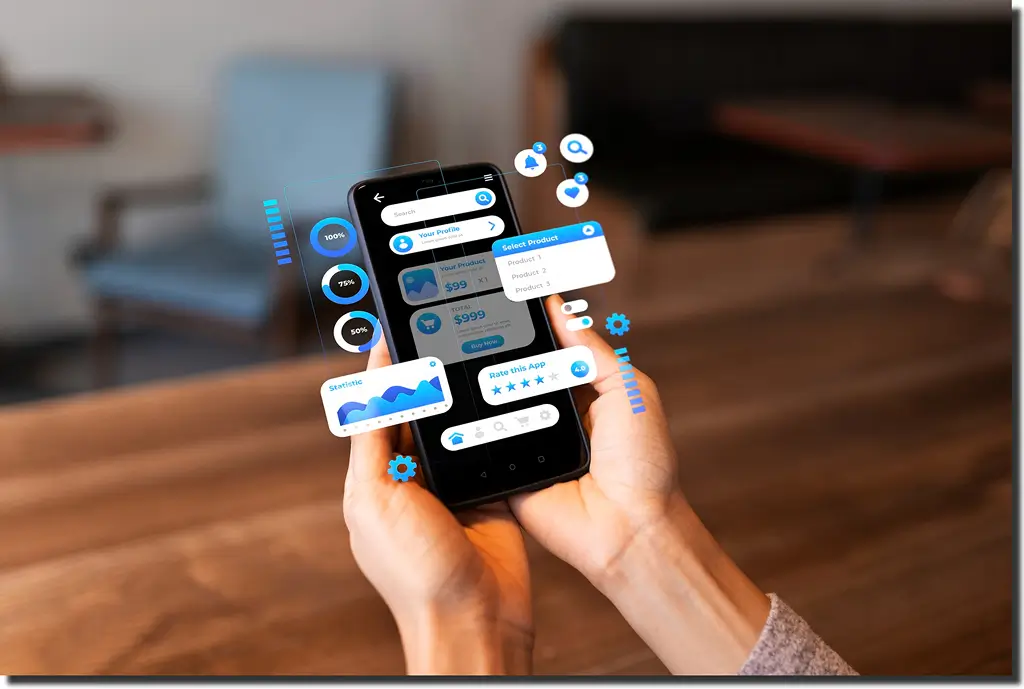
A well-organizededucation mobile app development process helps transform an idea into afunctional, scalable learning solution. Clear steps ensure that the product meets user expectations, covers business goals, and follows modern usability and technical standards. Below are the core stages involved in building an effective educational mobile app.
1. Discovery & Audience Research
The process starts with identifying who will use the app: students, professionals, teachers, corporatelearners, or mixed user groups. Understanding their goals, challenges, and learning habits helps shape the app's functionality and content structure.
2. Defining Features and Product Scope
Based on the research,the next step is outlining the must-have features for the first version. This includes selecting the core learning tools, content formats, communication options, progress tracking, and other functionality required to support your business objectives.
3. Choosing the Right Platform & Technology Stack
Depending on your target market, user geography, and budget, you may choose iOS, Android, orcross-platform development. Technologies like React Native, Flutter,Firebase, and cloud services such as AWS or Google Cloudhelp ensure scalability and high performance.
4. UX/UI Design& User Flow Planning
Designers create aclean, intuitive interface that guides learners through lessons, assessments,and progress tracking. This step focuses on accessibility, visual clarity, andsmooth navigation to keep users engaged.
5. Development& Integration
Mobile developers build the app’s functionality, connect databases, implement authentication, and integrate learning modules. At this stage, teams may also connect the app with internal systems through APIs or integrate third-party services such as video hosting or analytics.
6. QualityAssurance & Testing
Before launch, the app under goes functional testing, usability evaluation, performance checks, andsecurity validation. This ensures that learners get a stable, error-free experience across devices.
7. Deployment& Post-Launch Support
Once the product isready, it is published to the App Store or Google Play. After launch, the development team continues to monitor performance, fix issues, and release updates based on user feedback and new educational requirements.
TechnologyStack & Team Requirements
Choosing the right technology stack and assembling a skilled team are essential parts ofsuccessful education mobile app development. The tech decisions you make will influence the app’s performance, scalability, security, and long-term maintenance. A well-structured team ensures the product is built efficiently and meets both user needs and business goals.
Technology Stack Overview
- Mobile: React Native, Flutter, Swift, Kotlin
- Backend: Node.js, Python (Django), Java (Spring Boot)
- Database: PostgreSQL, MongoDB, Firebase
- Cloud: AWS, Google Cloud, Azure
- Extras: Firebase Authentication, Stripe, analytics tools
UI/UX DesignEssentials
User experience plays acritical role in educational apps. A well-designed interface improves navigation, makes learning intuitive, and keeps users engaged throughout thecourse flow. UI/UX designers focus on accessibility, readability, contenthierarchy, and smooth interactions to support different learning styles anddevice types.

Team Requirements
A typical developmentteam includes:
- Project Manager
- UX/UI Designer
- Mobile Developer
- Backend Developer
- QA Engineer
- DevOps (optional)
Cost Factors, Timeline, and Development Effort
The cost and timeline of education mobile app development depend on several variables, including feature complexity, chosen platform (iOS, Android, or cross-platform), UI/UX design depth, third-party integrations, and the size of the development team.Simple MVPs may take a few months to build, while fully featured learning platforms require longer development cycles and larger teams. Clear planning,well-defined requirements, and a scalable architecture help optimize both budget and delivery time.
Key factorsinfluencing the cost include:
- Feature complexity: advanced functionality like gamification, AI recommendations, live streaming, or offline mode increases development effort.
- Technology stack and platform choice: building for iOS, Android, or both — or using cross-platform frameworks — affects budget and timeline.
- UI/UX design requirements: custom animations, accessibility standards, and detailed interface layouts require additional design hours.
- Third-party integrations: payment systems, analytics tools, video hosting, LMS platforms, or authentication services add extra development work.
- Team size and post-launch maintenance: the number of specialists involved and ongoing support after release significantly influence long-term costs.
Choosing the Right Education Mobile App Development Company
Selecting the right education mobile app development company is crucial for building a solution that aligns with your learning goals, technical requirements, and long-termstrategy.
The ideal partner should offer proven experience in mobile development, a strong portfolio,transparent communication, and a well-structured development process. It’s important to choose a team that understands how to design intuitive learning experiences, implement scalable architectures, ensure data security, andprovide reliable post-launch support.

Our web development agency brings hands-on expertise in creating mobile applications of various complexity levels and offers a full spectrum of services - from discovery and UX/UI design to development, deployment, and ongoing maintenance - ensuring your educational app is built to the highest standards.
FutureTrends & Challenges in Education Mobile App Development
The future of education mobile app development is shaped by rapid advances in AI, personalized learning technologies, and immersive content delivery. As user expectations grow, educational apps must become more adaptive, engaging, and accessible while overcoming challenges such as data privacy, content quality,and long-term learner retention. Staying aware of emerging trends helps businesses build solutions that remain relevant and competitive in the evolving EdTech landscape.
Conclusion
Education mobile app development continues to transform how learners, educators, and organizations create and consume digital learning experiences. When supported by intuitive UX/UI design, the right technology stack, and powerful features such as personalization, gamification,and real-time analytics, educational apps become effective, scalable tools for long-term growth. As the industry evolves, choosing a reliable education mobile app development company and understanding key mobile app developer education requirements helps ensure a smooth development process and a high-quality product. With a strategic approach and comprehensive education mobile app development services, businesses can deliver engaging learning solutions that stay competitive, meet user expectations, and provide lasting value across theentire EdTech ecosystem.